Temple Illustration
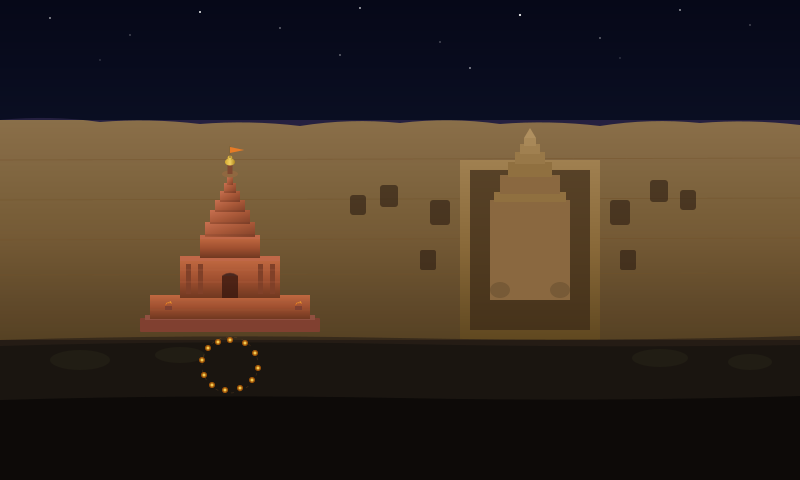
Photo gallery coming soon — curated images of Grishneshwar Jyotirlinga and its surroundings.
About
Grishneshwar Jyotirlinga is located near Verul village in Maharashtra's Aurangabad district, approximately one kilometre from the Ellora Caves — the UNESCO World Heritage Site that includes the Kailasa temple, the world's largest monolithic rock-cut structure, itself carved as a representation of Shiva's Himalayan abode. The proximity of the Jyotirlinga to the Kailasa temple creates a concentration of Shaiva sacred space that is unusual even within the Jyotirlinga circuit.
The name Grishneshwar is derived from the Sanskrit ghrishna (compassion) and ishwara (lord), identifying this form of Shiva as the compassionate master. The origin myth in the Shiva Purana involves Kusuma, a devoted woman whose son — a gift from Shiva after prolonged worship — was killed by her co-wife out of jealousy and cast into the temple pond. Kusuma continued her worship without grief. Shiva, moved by this absolute faith, restored her son and established the Jyotirlinga at her request, naming it Grishneshwar after her form of worship (ghrishna).
The current temple structure was rebuilt in the 18th century by Maharani Ahilyabai Holkar of Indore — the same ruler who rebuilt Kashi Vishwanath — making Grishneshwar one of two Jyotirlingas directly associated with her patronage. The red sandstone temple, in the Hemadpanthi style with a modest shikhara, reflects a deliberate restraint suited to the site's character. Being the twelfth and last Jyotirlinga in traditional enumeration, Grishneshwar is considered the completion of the pilgrimage circuit — arriving here after visiting all others is said to seal the full benefit of the yatra. The Mahashivratri celebration at Grishneshwar, conducted simultaneously with the light and sound show at the Ellora Kailasa temple, creates a night of exceptional sacred atmosphere. Devotees may offer Shiva Seva inspired by this sacred kshetra.
